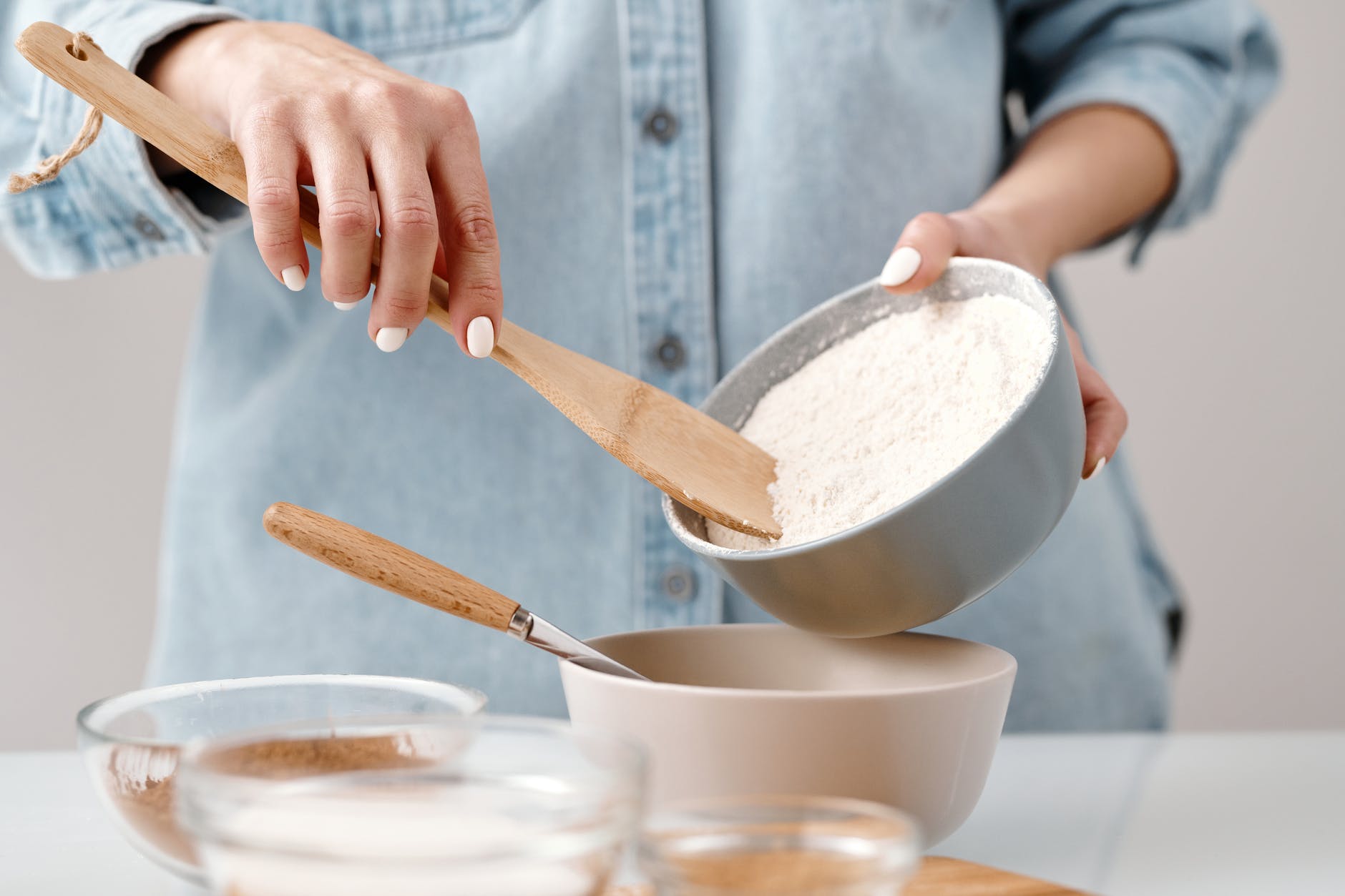
Start with relentless family time. Now that kids are out of school and many places of “non-essential” work are closed through the end of the year, this forms the base of the recipe.
Next, continue with waves of exhaustion. These are added at unexpected intervals. Allow to rest when needed.
Layer in the uncertainty. If yours is heavy, it will sink into the mix and affect everything else.
Add one full cup of holiday cheer.
This may take the form of light displays, childhood TV specials, sugary treats, gift-giving, etc.
If a full cup of cheer isn’t available due to pandemic, unrest, politics, injustice, or finances (to name a few), scrape together as much as you possibly can. Artificial or “inorganic” cheer may be added in small doses to get you where you need to go.
Pour into large receptacle, mix well by hand.
Or use electric mixer and spread it around. You’re free to choose. If you get any on other people then they were standing too close.
Add a dash of gratitude. Some have this readily available and others may have to dig deep, but this is an essential ingredient.
Sprinkle liberally with hope, smiles, charity, to taste.
Add some time for yourself.
Mix all ingredients thoroughly.
Serve warm, with ample beverage of choice. Sharing is optional, though this recipe promises to be best experienced with the one (or ones) who love you the most.
Best of luck with your Holiday 2020. If you started with Hanukkah, you’re well underway, but I recently read that there is a holiday *somewhere* every day through the rest of the year. And SO MUCH else going on in the world. Take it slow. As Jupiter and Saturn come close enough to shine a brilliant light in the sky, just in time for the Winter Solstice, keep your light shining within you. The glow you create with the energy you give is reflected back, with love. Happy Holidays.
My twins turned sixteen years old in October. Due to the shutdowns early in the pandemic, they were unable to take their written tests for their driving permits until midsummer, and their scheduled instructor-led lessons behind the wheel were postponed. At this point, both kids have their permits and have started their instructor sessions, but due to the number of students in our area who came of age during the shutdown, there’s a bit of a backlog. They get a lesson about once a month. California law requires that permitted teenage drivers also receive fifty hours of instruction with parents or qualified adults, which means that my wife and I are slogging through one hundred hours in the passenger seat, trying to think of potential pitfalls and trying to remain calm. Note to parents and guardians looking ahead to training their teens: all jokes will be taken seriously! Watch what you say. Many kids in my area are so used to Mom driving them everywhere, they don’t even look out the window. They have no idea where they live, relative to the school. They are not in any rush to join the traffic we complain about or to add to their carbon footprint. I’ve found that we have to include in our instruction that it’s fun to drive. Today, after my daughter played chicken with a big brown UPS truck in a nearby neighborhood, and before I take my son on the Southern California freeways (holiday edition), I thought I’d share some pointers.
Here are ten things to keep in mind when training your teenager to drive:
10 – Keep the sarcasm in check. The panicky or self-doubting young driver is listening for literal direction, not comedy.
9 – Start small. If your kid hasn’t driven a golf cart, a go-kart, a tractor, or even an Autopia car with confidence, start with the basics and repeat them often. “The gas pedal is on the right.”
8 – Practice in a parking lot. Look for business complexes or colleges that have large parking lots that aren’t in use on the weekend. Best to find one where the driver can safely accelerate up to 25 mph without encountering speed bumps. Level up to one with lots of planters to navigate around.
7 – Reduce distractions. Turn off the music and put their phone on Do Not Disturb. Show your teen how to put their phone on “Driving Mode” for the future, or just turn it off. I have added “GPS training” to my list of things to teach as the kids improve, however, so they can learn to set the driving instructions and listen for the voice commands. Choosing a funny voice can wait.
6 – Reduce your own distractions. Adult figures, when you are in the passenger seat with your teen behind the wheel, your phone should also be off. No texting or searching or surfing. It’s critical that your eyes are on the road as well as on your driver’s every move.
5 – Ask what their instructor tells them. Not only will this reinforce what they are hearing from the instructor, you will also get a few reminders of new rules and stuff you’ve forgotten while you developed your own driving habits.
4 – Don’t teach to the test, but know what might be on it. My kid didn’t want to practice parking on the curb or three-point turns because he was told they are “not on the test.” I reminded him that these are things he’ll have to do in life and proceeded with the instruction. Driving through a small town on Route 66 won’t be on the test either, but he did it anyway.
3 –Teach kindness. In addition to “defensive driving,” teach your teen to look for opportunities to let another car into their lane, to leave plenty of space between them and the car ahead, and to give motorcycles, bicycles, and pedestrians a wide berth. When you’re behind the wheel and they are in the car with you, tone down your muttering and shouting at other drivers, reduce your aggressive moves. They are watching and listening.
2 – Practice in the car they will drive. Once licensed, your new driver will be lawfully allowed to drive any passenger car. Be honest with them about the use of your family car(s) and rules about driving other people’s. Set boundaries and get agreement during this learning process. Think of fun places to drive as well as routes they will take often, balancing longer scenic drives with runs to the grocery store.
1 – Praise often and honestly. Take note of their successes and improvements. Say it out loud, and watch the confidence grow. Even if your teen is over-confident, point out exactly what they did right and why it was right. Let them hear when you tell their other parent or grandparents how well they are doing and they will want to do it more.
With patience, a positive attitude, and repetition, teaching your teen to drive can be rewarding for both of you. Just remember to be ready for anything…and breathe.